
Jogging Pants Uniform: Redefining Modern Workwear Design
The industrial workwear landscape is undergoing a significant transformation. For decades, heavy canvas trousers and stiff denim jeans were the undisputed standards for manufacturing, logistics, and assembly environments. These rugged materials were chosen for one primary reason: durability. However, as operational efficiency, employee wellness, and recruitment dynamics evolve, companies are turning to a jogging pants uniform and other specialized apparel products that offer a much-needed balance of comfort and durability. The traditional approach of prioritizing fabric toughness over worker mobility is rapidly becoming obsolete. In my view, the modern worker is an industrial athlete, and their clothing should reflect that reality.
From what I have observed across the supply chain sector, the demographics of the industrial workforce are shifting. A younger generation of workers is entering warehousing, manufacturing, and field services. This generation has grown up in the era of athleisure, where stretch fabrics and ergonomic designs are the norm. They expect their workwear to perform just as well as their gym wear. When forced to wear stiff, unyielding canvas pants for a ten-hour shift, morale drops, and discomfort sets in. By adopting a jogging pants uniform, forward-thinking companies are aligning their corporate identity with the expectations of modern employees, which directly aids in recruitment and retention.
To understand why this shift is happening, we must look at the science of movement. In a typical logistics or assembly environment, workers perform hundreds of repetitive motions every day: squatting, bending, climbing ladders, and lifting heavy loads. Traditional work pants lack elasticity, meaning the fabric resists these movements. This resistance forces the body to work harder, leading to muscle fatigue and increased strain on the lower back and joints.
According to an industry reference, the adoption of a jogging pants uniform is redefining modern standards by introducing high-stretch, lightweight materials that move with the worker rather than against them. This reduction in physical resistance can significantly lower the risk of musculoskeletal injuries over time.
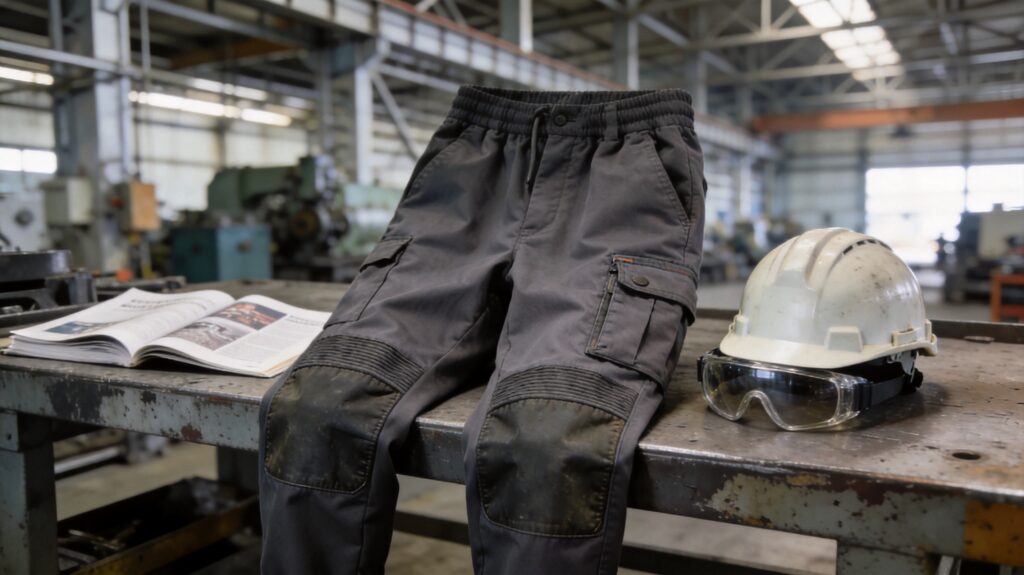
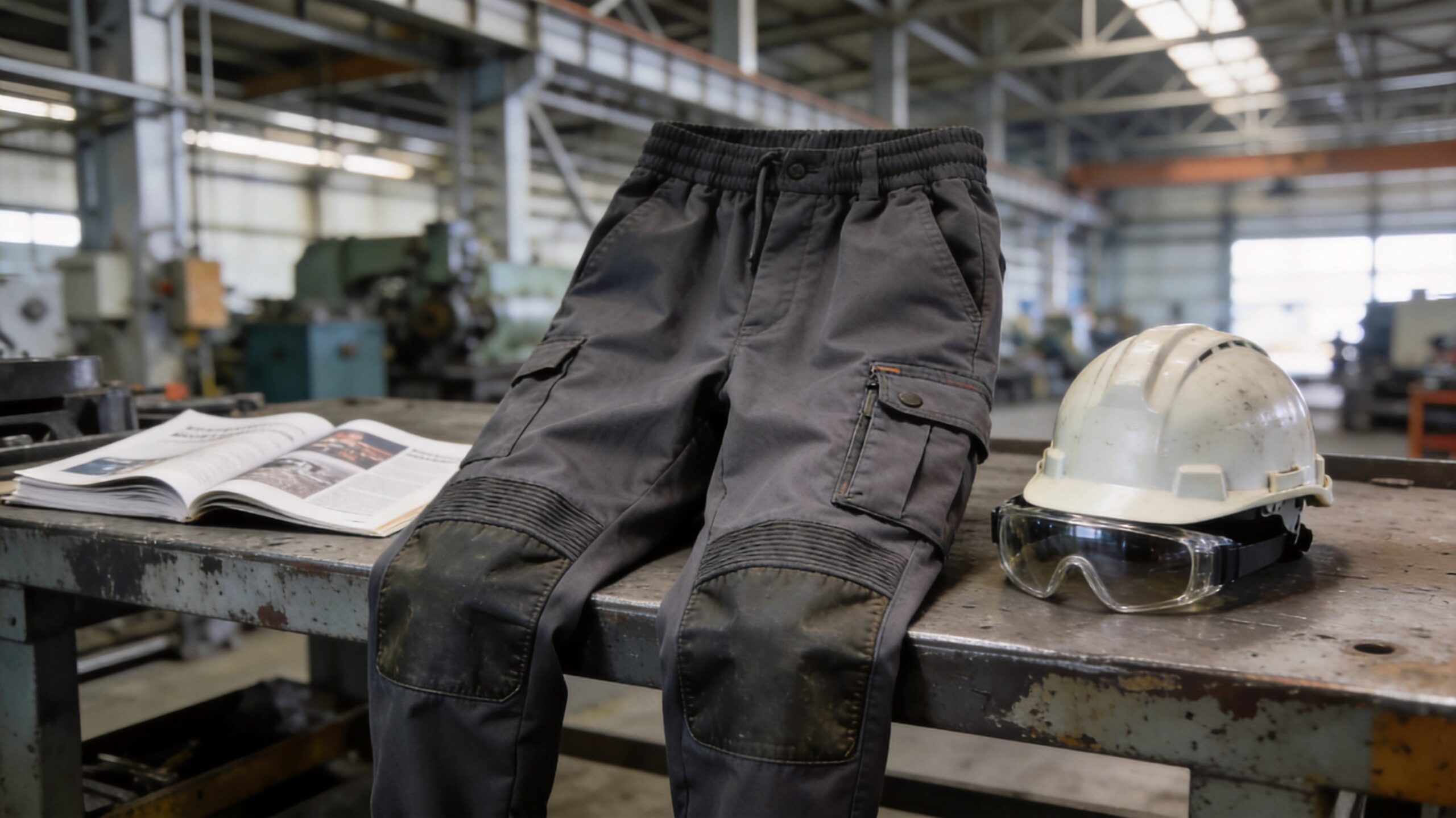
A common misconception is that a jogging pants uniform is unsafe or unprofessional for industrial environments. In reality, the design of a modern workwear jogger offers several safety advantages over traditional wide-leg trousers. The most notable feature is the tapered leg and elastic cuff. In busy environments filled with conveyor belts, low-lying machinery, and pallet jacks, loose fabric is a hazard. Tapered cuffs ensure that the pant leg stays close to the ankle, virtually eliminating the risk of snagging or tripping. Additionally, many industrial joggers are engineered with reinforced utility pockets, heavy-duty belt loops, and abrasion-resistant knee panels, ensuring they retain the utility of classic cargo pants while offering superior comfort.
How do these modern garments survive the harsh conditions of a factory floor? The secret lies in textile engineering. Unlike casual cotton sweatpants, industrial joggers are made from high-performance synthetic blends. Typically, a blend of nylon or polyester is combined with elastane to create a fabric that is incredibly tough yet highly flexible. Many of these fabrics feature a ripstop weave, which prevents small tears from spreading.
Furthermore, these materials are treated with moisture-wicking and soil-release finishes, allowing them to repel oil, dirt, and sweat while remaining easy to clean in commercial laundry systems. To learn more about how these garments are manufactured, you can read about Yiwu Ouming Garment Co., Ltd., a leading supplier in the industry that specializes in these advanced apparel solutions.
In my experience, thermal comfort is one of the most overlooked factors in workplace productivity. Industrial facilities, particularly large distribution centers, are notoriously difficult to climate-control. They can be freezing in the winter and stiflingly hot in the summer. Heavy cotton canvas pants trap heat and moisture, leading to discomfort and heat-related illnesses. A jogging pants uniform made from breathable, moisture-wicking synthetics allows air to circulate and sweat to evaporate quickly. By keeping workers cool and dry, companies can maintain high productivity levels even during the peak of summer.
Some facility managers hesitate to adopt joggers because they worry the team will look “too casual” or unprofessional. I believe this concern is easily addressed by choosing structured, high-quality designs. A well-fitted industrial jogger in a neutral color like navy, black, or charcoal, paired with a polo shirt or a branded technical tee, looks remarkably professional. It projects a modern, high-tech corporate image. It tells customers and visitors that the company is innovative and cares about its workforce. The era of the baggy, stained boiler suit is giving way to a sleek, athletic, and highly functional aesthetic.
Ultimately, the transition to a jogging pants uniform is a business decision. While high-performance garments may have a slightly higher upfront cost compared to basic denim, the return on investment is clear. Reduced injury rates, improved worker comfort, higher productivity, and better employee retention all contribute to a healthier bottom line. When workers feel comfortable and valued, their engagement increases, leading to fewer errors and a safer work environment. It is time for operations managers to view workwear not just as an expense, but as a tool for operational excellence.