Cargo Jogging Pants Sourcing: The Ultimate Buyer’s Guide
1. The Rise of Cargo Jogging Pants in Professional and Outdoor Apparel
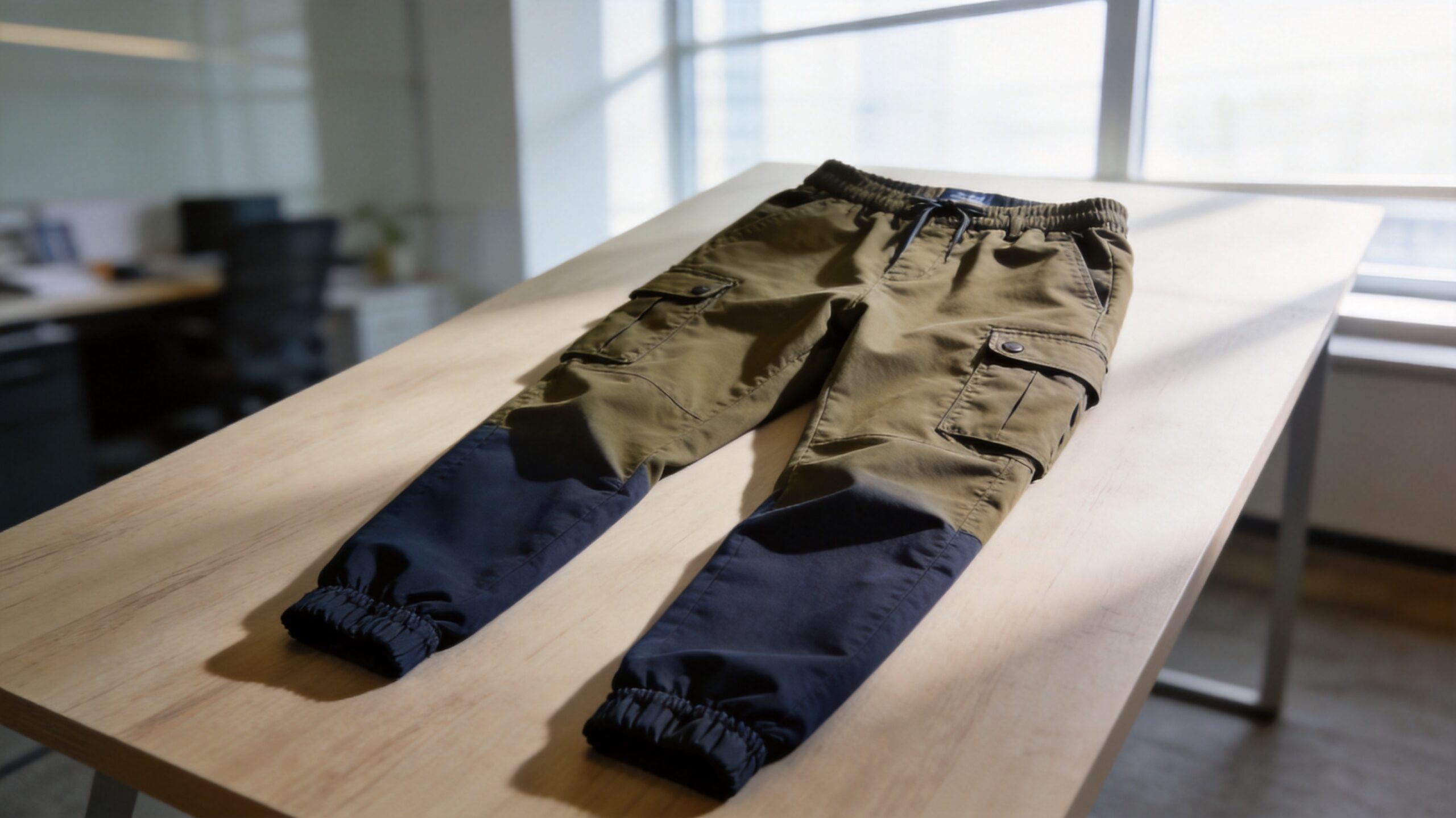
The global apparel market is experiencing a profound shift as the boundaries between workwear, outdoor gear, and casual wear continue to blur. According to an industry reference, the demand for high-performance textiles in everyday apparel is growing rapidly. From what I have seen in recent trade shows, modern professionals and outdoor enthusiasts alike are demanding garments that offer both high-level utility and uncompromised comfort. At the center of this evolution are cargo jogging pants—a versatile hybrid silhouette that has rapidly transitioned from a streetwear trend into a staple for commercial workwear and outdoor retail brands.
Historically, workwear and outdoor trousers prioritized durability at the expense of mobility. Heavy canvas and stiff denim restricted movement, while traditional athletic joggers lacked the storage and durability required for rugged environments. Cargo jogging pants successfully bridge this gap. By combining spacious side pockets with the tapered fit of joggers, manufacturers have created an adaptable garment. In my experience, this allows wearers to transition from active labor to casual settings without changing.
For B2B buyers and product managers, understanding the target demographic is key to tailoring product specifications. You can learn more about our manufacturing capabilities to see how we support global apparel brands. The primary market for cargo jogging pants includes:
- Trade Professionals: Electricians, plumbers, and drivers who need tool access and the flexibility to bend, kneel, and move.
- Outdoor Enthusiasts: Hikers and climbers who value lightweight, weather-resistant fabrics and secure storage.
- Tactical Personnel: Operators requiring low-profile, high-utility apparel for rapid movement.
2. Key Fabric Specifications for Durability and Performance
When sourcing cargo jogging pants for commercial applications, fabric selection is the single most critical factor determining product longevity and user satisfaction. In my years of working with textile mills, I have found that brands often make the mistake of prioritizing cost over fabric performance, which inevitably leads to high return rates.
Depending on your brand’s positioning, you will need to choose between synthetic, natural, or blended fabrics:
- Cotton-Polyester Blends (T/C or CVC): Cotton provides breathability, while polyester adds tensile strength. A common blend is 65/35. In my view, CVC blends favor comfort, while T/C is superior for industrial durability.
- Nylon-Spandex Blends: The gold standard for outdoor brands. Nylon offers abrasion resistance, while spandex provides four-way stretch. I believe a 90/10 blend offers the best balance of recovery and durability.
- Ripstop Weaves: Crosshatch patterns prevent small punctures or tears from spreading in rugged environments.
Fabric weight (GSM) dictates seasonal suitability:
- Lightweight (180–220 GSM): Best for summer outdoor wear. If expanding summer inventory, consider sourcing quick-dry water-resistant hiking cargo shorts.
- Mid-to-Heavyweight (240–320 GSM): Recommended for year-round workwear.
Specify performance finishes like DWR coatings, UV protection, and moisture-wicking to enhance weather utility.
3. Essential Design and Construction Features
Construction details define utility. I advise clients to look past aesthetics and inspect internal seams.
- Dual Cargo Pockets: Thigh pockets should feature secure closures (zippers, snaps, or hook-and-loop). In my experience, placing them on the mid-thigh prevents items from bouncing against the knee.
- Reinforced Openings: Pocket edges holding utility clips should be reinforced with double-stitching or nylon overlays.
- Bar-Tack Stitching: Manufacturers must apply bar-tacks at stress points (pockets, crotch seam) to prevent blowouts.
Ergonomic fit separates premium pants from cheap alternatives:
- Hybrid Waistbands: Flat-front waistbands with elastic backs and internal drawstrings offer a professional look with adjustable comfort.
- Gusseted Crotch: A diamond-shaped gusset distributes stress and allows full motion. Cheap factories skip this to save fabric yield, but it is vital for durability.
- Ankle Cuffs: Rib-knit cuffs or adjustable drawcords seal out dirt and fit comfortably over boots.
4. Sourcing Cargo Jogging Pants: Manufacturer Evaluation
Finding the right manufacturer requires balancing capability, cost, and compliance. For sourcing tips, visit our apparel manufacturing blog. Establish clear terms:
- MOQs: Custom designs or technical fabrics require 500 to 1,000 units. Stock fabrics with custom branding can lower this to 100–300 units. I suggest using ‘running fabrics’ to reduce initial order barriers.
- Lead Times: Expect 30 to 45 days after pre-production sample (PPS) approval, plus shipping.
Verify certifications to protect brand reputation:
- WRAP or BSCI: Ensures fair labor and safe conditions.
- OEKO-TEX Standard 100: Certifies toxin-free textiles.
- GRS: Required for eco-friendly pants using recycled polyester or nylon.
5. Quality Control and Testing Standards for Bulk Orders
Implement a strict QC protocol before mass production. A formal quality agreement prevents disputes.
Request third-party testing (SGS/Intertek):
- Martindale Abrasion (ASTM D4966): Workwear fabrics should exceed 20,000 rubs. Refer to this technical reference for standards.
- Tensile & Tear Strength: Verifies the fabric can withstand physical labor.
- Colorfastness & Shrinkage: Specify ISO 105-C06 for wash fastness, and limit shrinkage to +/- 3%.
6. Frequently Asked Questions (FAQs) for Wholesale Buyers
What is the average lead time for custom cargo jogging pants?
For fully customized (OEM) orders, the average lead time is 45 to 60 days. This timeline includes fabric sourcing, dyeing, pattern making, sample approval, and bulk sewing. If you choose to source ready-to-ship (ODM) designs and apply custom branding, lead times can be reduced to 15 to 25 days.
Can we request custom branding and hardware?
Yes. Most professional manufacturers offer comprehensive private-label services. This includes custom-branded main labels, care labels, hangtags, and custom hardware such as engraved metal buttons, branded zipper pulls (such as YKK or SBS), and custom-tipped drawcords. Be sure to specify these requirements during the initial RFQ (Request for Quote) phase, as custom hardware may carry its own minimum order quantities. You can contact our team to discuss your custom design requirements.
How should we handle sizing discrepancies between different markets?
Sizing varies significantly between North American, European, and Asian markets. I recommend providing your manufacturer with a detailed spec sheet containing exact measurements for each size. A professional manufacturer will help you create a graded size chart that fits your target demographic perfectly.
Conclusion
Sourcing high-quality cargo jogging pants requires a strategic approach that balances fabric performance, ergonomic design, and manufacturing compliance. In my view, the brands that succeed in this competitive space are those that refuse to cut corners on fabric quality and sewing construction. By selecting durable fiber blends, insisting on reinforced construction, and partnering with certified manufacturers, outdoor and workwear brands can deliver a product that meets the rigorous demands of today’s active workforce and outdoor adventurers.